Luxury Safari Planning: What to Know Before You Go

Of all the trips I plan, safari is the one where the difference between working with an experienced advisor and going without shows up most directly in the experience itself.

This is not because safari is inaccessible or difficult to navigate independently. It is because the variables that determine the quality of the experience are less visible from the outside than in almost any other category of travel.

The destination, the camp, the season, the specific location of the camp within a given ecosystem, and the type of access it has all shape what a client actually encounters in the field. The gap between a well-planned safari and a loosely planned one is wide.

This guide covers what matters and why.

The Destination Question Is More Complex Than It Appears

Most people think of an “African safari” as a single category of experience. In practice, East and Southern Africa offer a collection of distinct destinations with meaningfully different wildlife populations, landscapes, travel logistics, and overall character.

Kenya

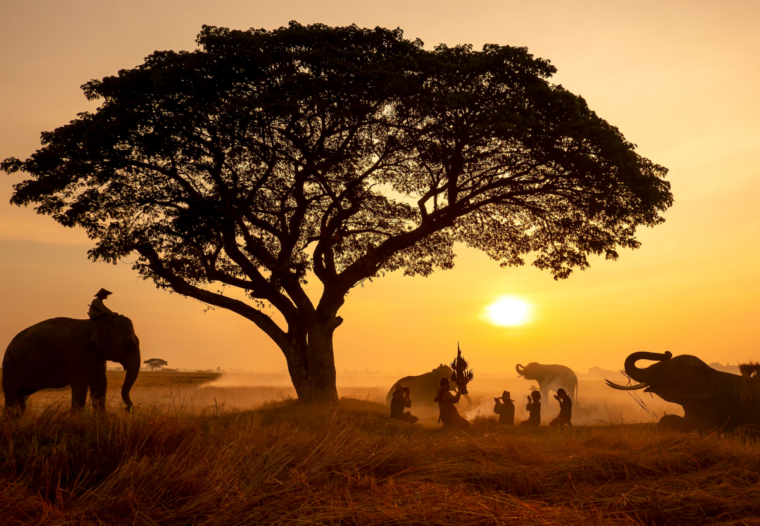
The Masai Mara is home to one of the most dramatic wildlife events in the natural world: the annual wildebeest migration, when more than a million animals cross between Tanzania’s Serengeti and Kenya’s Mara River.

The timing of the river crossings shifts from year to year and cannot be guaranteed, but the window from July through October offers the highest probability.

Kenya also offers private conservancies bordering the Mara, providing access and experiences that the national reserve does not permit.

Tanzania

The Serengeti is the southern half of the same migration ecosystem. It offers the calving-season spectacle in January and February, when hundreds of thousands of wildebeest give birth on the southern plains.

Tanzania is also home to Ngorongoro Crater, a collapsed volcanic caldera that functions as a self-contained ecosystem and offers some of the most concentrated wildlife viewing available anywhere.

Rwanda and Uganda

For travelers whose primary goal is mountain gorilla trekking, Rwanda and Uganda are the only options.

Gorilla permits are issued in limited numbers, require advance coordination, and provide one of the most singular wildlife encounters available to any traveler.

The experience bears no resemblance to a conventional game-drive safari and is best planned as a dedicated trip.

Botswana

Botswana prioritizes low-volume, high-quality safari experiences above all else.

The country deliberately limits the number of visitors in its wildlife areas, which means smaller camps, fewer vehicles in the field, and sightings that do not involve a crowd.

The Okavango Delta floods seasonally from Angolan rains, creating a temporary inland sea of extraordinary biological richness. It is one of the most unusual safari environments in the world.

Why Timing Shapes the Entire Experience

Safari timing decisions are more consequential than most travelers realize when they begin planning.

The Dry Season

The dry season runs roughly from June through October across East Africa.

During this period, wildlife tends to gather around water sources, and thinner vegetation makes animals easier to see. However, the dry season also brings peak visitor numbers to major parks.

The Green Season

The green season generally runs from November through April.

It brings dramatic landscapes, newborn wildlife, and significantly fewer guests in many camps. Some of the best wildlife photography happens during the green season, when the light is different and the animals are often more active.

Migration Timing

The migration timeline in the Masai Mara and Serengeti follows a predictable annual pattern, but specific river-crossing events are driven by rainfall and animal behavior—not a fixed calendar.

A well-informed advisor will explain the probabilities associated with a particular travel window rather than make promises the ecosystem cannot keep.

Gorilla Trekking Permits

Gorilla trekking permits in Rwanda must be secured months in advance. During peak travel periods, they can sell out completely.

Permit availability is not a last-minute logistical detail. It needs to be addressed at the beginning of the planning process.

Not All Safari Camps Are the Same

The range of accommodations available within safari destinations spans a wider quality spectrum than in almost any other travel category.

Entry-Level Tented Camps

At the entry end, tented camps with shared facilities in high-traffic national park zones offer proximity to wildlife corridors at more accessible price points.

These camps are legitimate, and the game viewing can be excellent. However, the experience is shared with a significant number of other visitors.

Private Luxury Camps
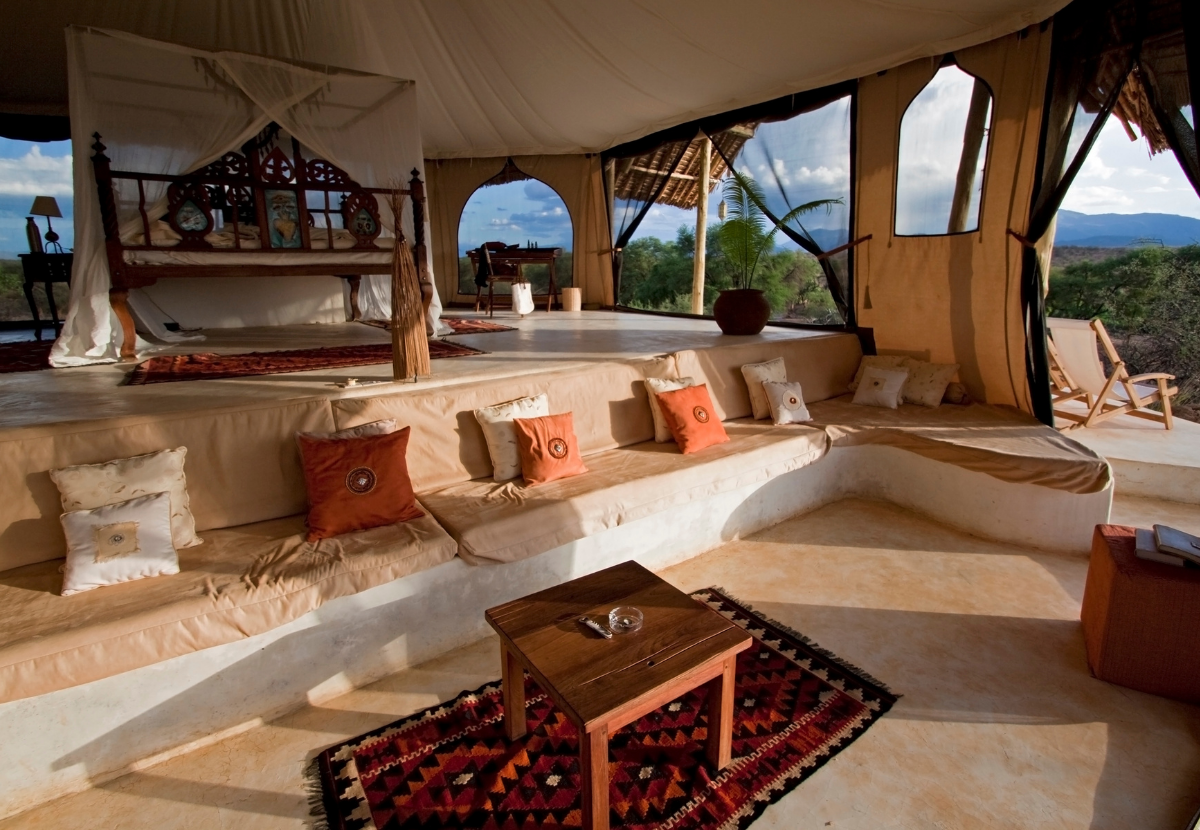
At the other end of the spectrum, private camps with six to twelve guest rooms are often located on exclusive conservancies or concessions outside national park boundaries.

These properties typically include:

  • All meals
  • Game drives
  • Alcoholic beverages
  • Laundry service

More importantly, they provide access to the most significant advantages a private safari can offer.

What Private Conservancy Access Actually Means

The rules governing national parks in most African countries prohibit off-road driving, night drives, and walking safaris.

These restrictions exist for legitimate conservation reasons and apply universally within park boundaries.

Private conservancies operate outside national park rules.

Off-Road Wildlife Viewing

On a private conservancy, guides can follow an animal off the established track as long as they determine it is safe to do so.

This creates opportunities for longer, closer, and more natural wildlife encounters.

Night Drives

Drives can continue after sunset, when many predators and nocturnal animals are most active.

Walking Safaris

Walking safaris are conducted on foot with an armed guide, typically in the early morning.

They offer a completely different understanding of the bush, focusing not only on large animals but also on tracks, plants, insects, sounds, and smaller details that are easy to miss from a vehicle.

More Private Sightings

The nature of the sightings is also different.

Instead of a rotation of vehicles cycling through a ten-minute viewing slot, guests may be the only people at a leopard sighting and can remain there as long as the animal stays.

Private conservancy access is not a luxury upgrade in the conventional sense. It is a different category of experience, and accessing it requires knowing which properties offer it.

The Case for Working With a Luxury Safari Travel Planner

Safari planning involves more moving parts than almost any other category of travel.

These may include:

  • International flights
  • Internal charter flights between camps
  • Country-specific visa requirements
  • Health and vaccination documentation
  • Gorilla trekking permits
  • Seasonal wildlife patterns
  • Camp selection
  • Guide selection
  • Private conservancy access

The difference a luxury travel advisor makes is not primarily about convenience, although the logistics are genuinely complex.

It is about access.

An experienced advisor may provide access to:

  • Camps that reserve inventory for advisor partners
  • Gorilla permits that require advance relationships and coordination
  • Guides who are selected rather than randomly assigned
  • On-the-ground support when charter schedules change
  • Alternative arrangements when camps or itineraries need to be adjusted

At Travel by Ronda, safari planning begins with a conversation about what a client wants to experience and when they are able to travel.

From that starting point, the right destinations, camps, and timing come together in a way that is specific to each traveler rather than assembled from a standard package.

If a safari has been on your list and you want to understand what planning it well actually involves, scheduling a free call is the place to start.
Begin planning your trip with Ronda.

Best Time to Visit Tuscany for Luxury Travelers

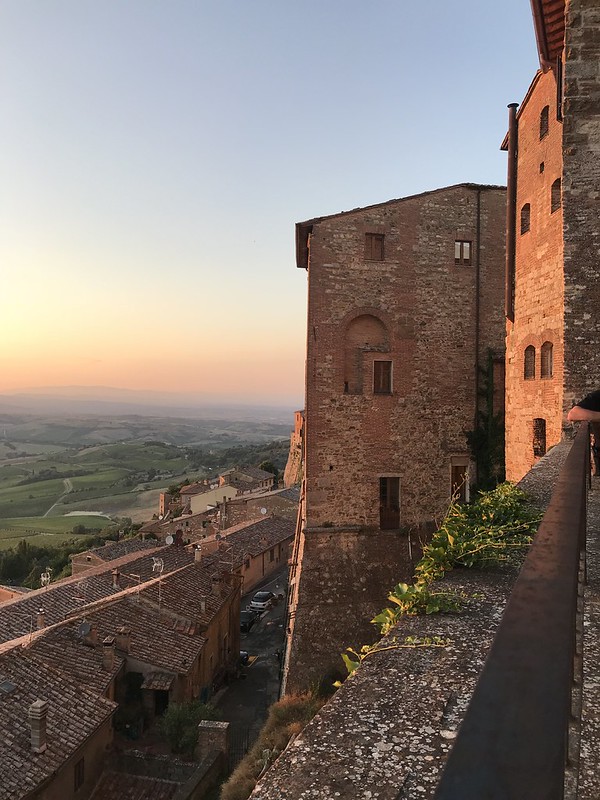
Tuscany is one of the most visited regions in the world, which means the question of when to go carries more weight than it does for almost anywhere else.

The standard answer is spring or fall. April through June, or September through October. The weather is pleasant, the crowds are thinner than summer, and the landscape is at its most photogenic. This answer is not wrong. But for the luxury traveler who wants more than a pleasant trip, the timing question deserves a more nuanced response.

After spending years designing Tuscany itineraries, here is how I actually think about when to send clients there, and why the answer varies significantly depending on what kind of trip they are after.

Why the “Avoid Summer” Advice Needs Context

The conventional wisdom is to avoid July and August in Tuscany because of heat and crowds. There is truth to this in certain contexts. Florence in mid-August, when a significant portion of Italian businesses close for Ferragosto and visitor traffic peaks, is a genuinely different experience from Florence in late April.

But Tuscany is not Florence. The region spans thousands of square kilometers of countryside, hill towns, wine estates, and coastal areas that do not share the same summer conditions as the city. A private villa in the Val d’Orcia, a farmhouse estate in Montalcino, or a restored palazzo in a hilltop village twenty minutes from any tourist route: these are viable summer destinations for travelers who have planned well.

The real summer variable is not the heat. It is the availability of the experiences that make Tuscany extraordinary. Private villas and the best small hotels book out earliest for July and August. Thinking about summer in Tuscany means starting the planning conversation significantly earlier than most travelers expect.

Spring in Tuscany: What the Photos Capture and What They Don’t

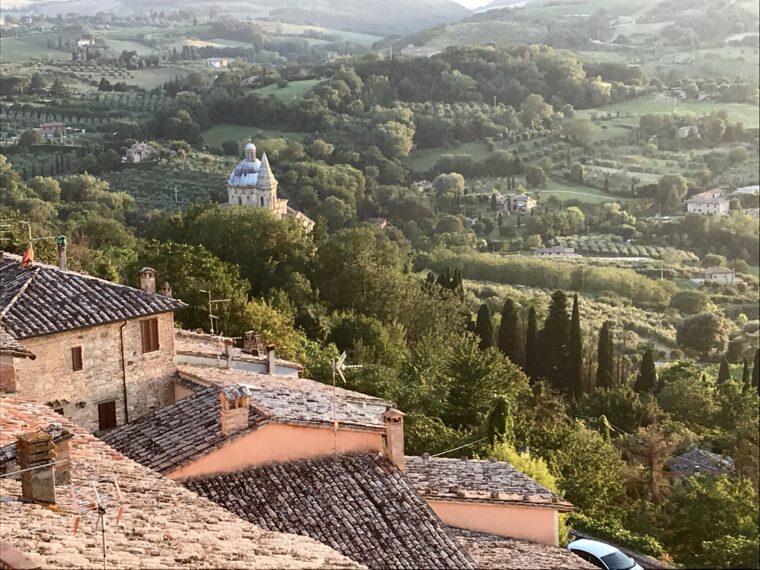
Late April through June is genuinely magnificent in Tuscany. The poppies that carpet the fields in May, the soft green of the cypress-lined roads, the wisteria on the farmhouses: this is the landscape that defines the image most people carry of the region.

What the photographs do not show is that this is also the period when many of the most famous sites are at their busiest. The hilltop towns of Montepulciano, Pienza, and Montalcino draw significant visitors from May onward. San Gimignano, Siena, and the wine roads through Chianti are well-trafficked by late spring.

For the luxury traveler, spring works best when the itinerary is designed around the less-visited areas of the region rather than the famous ones. The Maremma, Tuscany’s wild coastal southwest, is extraordinary in late spring and almost entirely absent from the standard visitor circuit. The Crete Senesi, the rolling clay hills southeast of Siena, are at their most surreal in April and May and see a fraction of the traffic that the Chianti roads attract.

Spring in Tuscany rewards travelers who are willing to let a knowledgeable advisor push them slightly off the well-worn path.

Harvest Season: The Tuscany Most Travelers Miss

September and October are, for the traveler who cares about food and wine at a serious level, the most compelling months to be in Tuscany.

The grape harvest runs through September in most of the region’s major wine appellations, including Chianti Classico, Brunello di Montalcino, and Vino Nobile di Montepulciano. The olive harvest follows in October and November, with groves producing the season’s first pressing, olio nuovo, which is one of the more remarkable things available to eat anywhere.

Private tastings and vineyard visits during harvest feel entirely different from the same experiences in other seasons. The estates are in active production. The conversations are different. Access to the winemaking process, to barrel tastings of wines that will not be released for years, and to meals prepared from the same seasonal ingredients being harvested that week: these experiences are available during harvest in a way that cannot be replicated in April.

The best Tuscany itineraries I design for September and October are built significantly around the table and the cellar, with the landscapes and hill towns providing the frame rather than the focus.

Winter in Tuscany: The Case Worth Making

December through February in Tuscany is the season most travelers rule out immediately, which is precisely what makes it interesting.

The crowds are gone. The light in winter is low and golden and extraordinary for anyone who appreciates photography or simply paying attention to how a landscape looks. The hilltop towns are quiet in a way that allows you to hear them. The restaurants are cooking for locals rather than visitors, which changes what appears on the menu and how it is prepared.

Truffle season extends through much of winter, and the white truffle market in San Miniato in November is one of the more remarkable food experiences available in the region. The thermal spas at Terme di Saturnia and Bagno Vignoni, which in summer require advance booking and shared pools, are available in winter with a level of ease and privacy that the high season cannot offer.

Winter Tuscany is not for every traveler. But for the couple or small group who values quiet, culinary depth, and the experience of a place when it is being itself rather than hosting the world, it is worth a serious look.

What Timing Cannot Fix

The most important thing to understand about visiting Tuscany is that the right timing is necessary but not sufficient for an extraordinary trip.

The experiences that define a great Tuscany itinerary, the private winery dinner arranged through a relationship that does not exist on any booking platform, the specific villa whose kitchen garden produces ingredients for the meals you eat there, the local guide who has been working the same stretch of hill country for thirty years and knows every proprietor personally, these are not available on any timeline without the planning behind them.

Timing matters. Planning matters more.

How to Start Planning Your Tuscany Trip

If Tuscany is on your list, the most useful first step is a conversation about what you actually want from it. The region accommodates very different trips very well, and the timing, pace, and focus of the itinerary should follow from that conversation rather than precede it.

At Travel by Ronda, I design Tuscany itineraries with the same attention I bring to any bespoke travel: starting from who the traveler is rather than what the destination is typically known for.

If you want to talk through what the right Tuscany trip would look like for you, the link below is where to start.

Begin planning your Tuscany trip with Ronda!

What a Luxury Travel Advisor Actually Does (And How It Changes Your Experience)

There is a version of travel planning that involves a lot of open browser tabs, a fair amount of second-guessing, and an itinerary that turns out to be mostly good with one or two things that, in retrospect, could have been handled differently.

Then there is the version where someone who has spent years learning the difference between a beautiful hotel and an exceptional stay handles all of it before you ever pack a bag.

That second version is what a luxury travel advisor does. But the work behind it is worth understanding, particularly if you have been on the fence about whether it is worth hiring one.

What a Luxury Travel Advisor Is Not

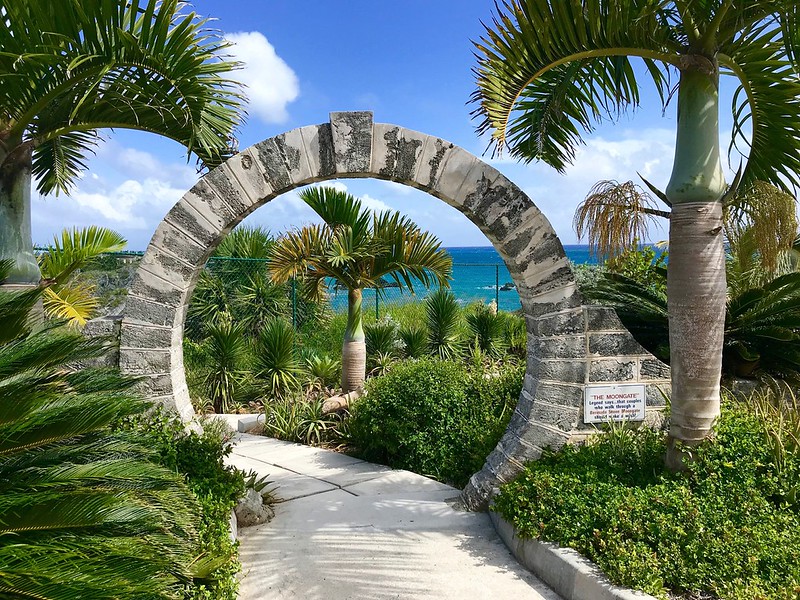
Bermuda

Before getting into what the job actually involves, it helps to name what it is not.

A luxury travel advisor is not a booking engine with a human face. The value is not access to a booking platform or a slightly better rate on a hotel room. The value is judgment, relationships, and a level of firsthand knowledge that does not exist on any website.

It is also not a concierge service in the hotel sense, meaning someone who arranges things reactively when you ask. The best luxury travel advisors are designing your experience proactively, thinking three steps ahead, and making decisions on your behalf that you will not know to be grateful for until you arrive.

What the Work Actually Looks Like

The Conversation That Comes Before the Research

A well-designed itinerary begins not with a destination but with a conversation about who you are as a traveler. What did your last trip miss? What do you actually want to feel? Are you someone who wants every hour planned or someone who needs long, empty afternoons with a good book?

An experienced luxury travel advisor is listening for the version of the trip that would genuinely satisfy you, which is often slightly different from the version you described on your first call. Getting this right is the difference between a trip that was everything you pictured and one that was good but not quite.

The Research That Does Not Live Online

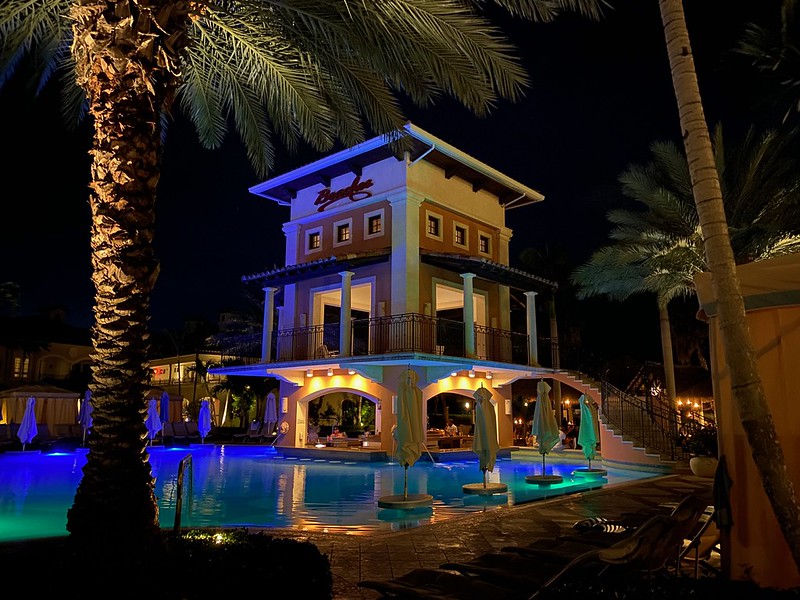
Beaches Turks & Caicos

Choosing a property at the luxury level requires more than a beautiful website and strong reviews. Reviews are self-selecting, photographs represent the best rooms in the best light, and the information that actually matters is rarely available in a listing.

A luxury travel advisor brings firsthand knowledge and a professional network that fills in those gaps. They have stayed at the property, or they have a trusted colleague who has. They know which room category is worth the upgrade, which dining experience actually delivers on its description, and which amenity is genuinely worth your time versus which one photographs better than it functions.

This is the kind of knowledge that takes years to build and cannot be replicated by an algorithm.

The Access That Does Not Come Through Standard Channels

One of the most concrete benefits of working with a luxury travel advisor is access to upgrades, perks, and experiences that are not available through direct booking.

Advisors who hold elite status with hotel programs, tour operators, and cruise lines can secure room upgrades, complimentary amenities, priority reservations, and early check-in as a matter of course. They also have relationships with ground operators, guides, and local contacts who can arrange experiences that simply do not exist on any platform: a private museum tour before the doors open to the public, a meal prepared by a chef who does not take general reservations, a morning on the water with a guide who has spent thirty years on that specific stretch of coastline.

The Logistics Behind the Seamlessness

A bespoke itinerary is not a list of reservations. It is a coordinated document that accounts for timing, transitions, contingencies, and the small details that determine whether a trip feels effortless or managed.

A good luxury travel advisor is confirming your arrival preferences with hotels before you land, pre-booking experiences and restaurants so nothing is left to chance, coordinating transfers with care for time zones and flight delays, and building redundancy into the parts of your trip where disruption is most likely.

This is the invisible labor that makes the experience feel easy on your end.

The Support When Plans Change

Travel disruption is not exceptional. Flights cancel, weather shifts, properties occasionally undersell a category or oversell a room type. What separates an advisor-supported trip from a self-planned one is not whether problems arise but what happens when they do.

Having a luxury travel advisor means having someone who is already working on the solution while you are still reading the notification. That person knows your full itinerary, has direct lines to the relevant contacts, and has the professional leverage to get things handled quickly. It is one of the most underrated aspects of working with an advisor, because you only truly appreciate it when you need it.

Who a Luxury Travel Advisor Is Right For

The clearest answer: anyone who is planning a trip where the experience matters more than the transaction.

High-earning professionals, couples planning milestone travel, families with complex logistics, and anyone whose time is valuable enough that handing off the planning is an obvious decision rather than an indulgence. If you have ever finished a trip thinking “that was good, but something was slightly off,” that gap is usually exactly where an advisor’s judgment would have made the difference.

How to Start

The process begins with a conversation, not a form. If you have a trip in mind and want to understand what bespoke travel planning would look like for you specifically, that conversation is the natural starting point.

At Travel by Ronda, every itinerary is designed from scratch around the specific traveler making the trip. There are no templates and no default recommendations. If you are ready to start, the link below is where to begin.

Inquire about travel planning with Ronda.

Family Travel Planning: Tips for Balancing Different Travel Personalities

Planning a family trip can be both exciting and challenging, especially when our family members have different travel personalities. Some people love adventure and exploration, while others prefer relaxation and luxury. As a travel advisor, I understand how to cater to different travel personalities and I’m here to share some tips to help you plan the perfect family trip!

Start by Communicating With Your Family Members

The first step in planning a successful family trip is to understand each family member’s travel personality. Talk to each family member and find out what they’re looking for in a vacation. Some might want to go hiking or exploring, while others might prefer a spa day or lounging by the pool. By understanding each person’s preferences, you can design an itinerary that includes activities and experiences that everyone will enjoy.

Choose a Destination That Offers Variety

When planning a family trip, it’s important that you choose a destination that offers a variety of activities and experiences. Look for destinations that offer a mix of adventure, relaxation, and culture. For example, a destination like Hawaii offers a range of activities like hiking, surfing, and snorkeling, as well as luxurious resorts where you can relax and unwind. A destination like Europe offers rich history, art, and culture, as well as scenic countryside for those who love nature.

Book Accommodations That Cater to Everyone’s Preferences

When traveling with family members with different travel personalities, it’s important to choose accommodations that cater to everyone’s needs. For example, if some family members prefer luxury and relaxation, look for a resort with a spa and high-end amenities. If some family members prefer adventure and exploration, look for that luxurious resort that’s near hiking trails or historic sites. By choosing accommodations that have a little of everything for everyone, you’ll ensure everyone has a comfortable and enjoyable vacation.

Plan Activities That Cater to Different Interests

When you’re planning activities, it’s important to cater to different interests. If some travelers prefer adventure, be sure to include activities like hiking, zip-lining, or water sports. And if others are looking for some rest and relaxation, spa treatments, poolside lounging, or beach days may be more appealing. If culture is what some of your family members are after, museum visits, historical tours, and culinary experiences are the perfect fit. The important thing to remember is, if family members are old enough, it can be totally fine to split up during the day and reconvene at night so everyone gets the travel experience they want while still spending quality time with one another.

Hire a Professional Travel Advisor

If accommodating all of the different travel personalities in your family seems daunting, consider working with a travel advisor. We have the expertise and experience to design a customized itinerary that caters to everyone in your crew! We can also provide insider tips and recommendations for activities, accommodations, and destinations that you may not have considered. With a professional travel expert on your side, you’ll have peace of mind knowing that your family trip will be planned to perfection.

Planning a trip with family members who have different travel personalities can be challenging, but it doesn’t have to stop you from seeing the world with the ones you love most! By communicating expectations, booking strategic accommodations, planning activities that cater to the different preferences of your group, and working with a travel advisor, you can create a memorable and enjoyable family vacation for all!