

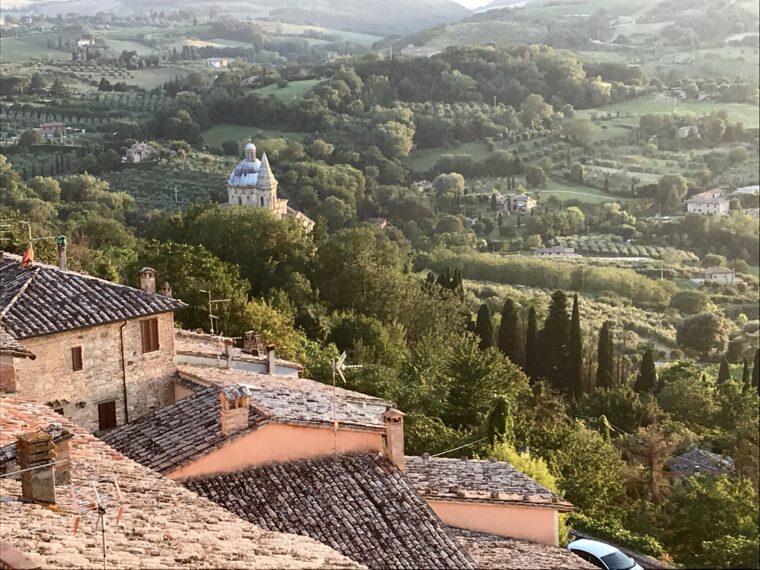
Tuscany is one of the most visited regions in the world, which means the question of when to go carries more weight than it does for almost anywhere else.
The standard answer is spring or fall. April through June, or September through October. The weather is pleasant, the crowds are thinner than summer, and the landscape is at its most photogenic. This answer is not wrong. But for the luxury traveler who wants more than a pleasant trip, the timing question deserves a more nuanced response.
After spending years designing Tuscany itineraries, here is how I actually think about when to send clients there, and why the answer varies significantly depending on what kind of trip they are after.
Why the “Avoid Summer” Advice Needs Context
The conventional wisdom is to avoid July and August in Tuscany because of heat and crowds. There is truth to this in certain contexts. Florence in mid-August, when a significant portion of Italian businesses close for Ferragosto and visitor traffic peaks, is a genuinely different experience from Florence in late April.
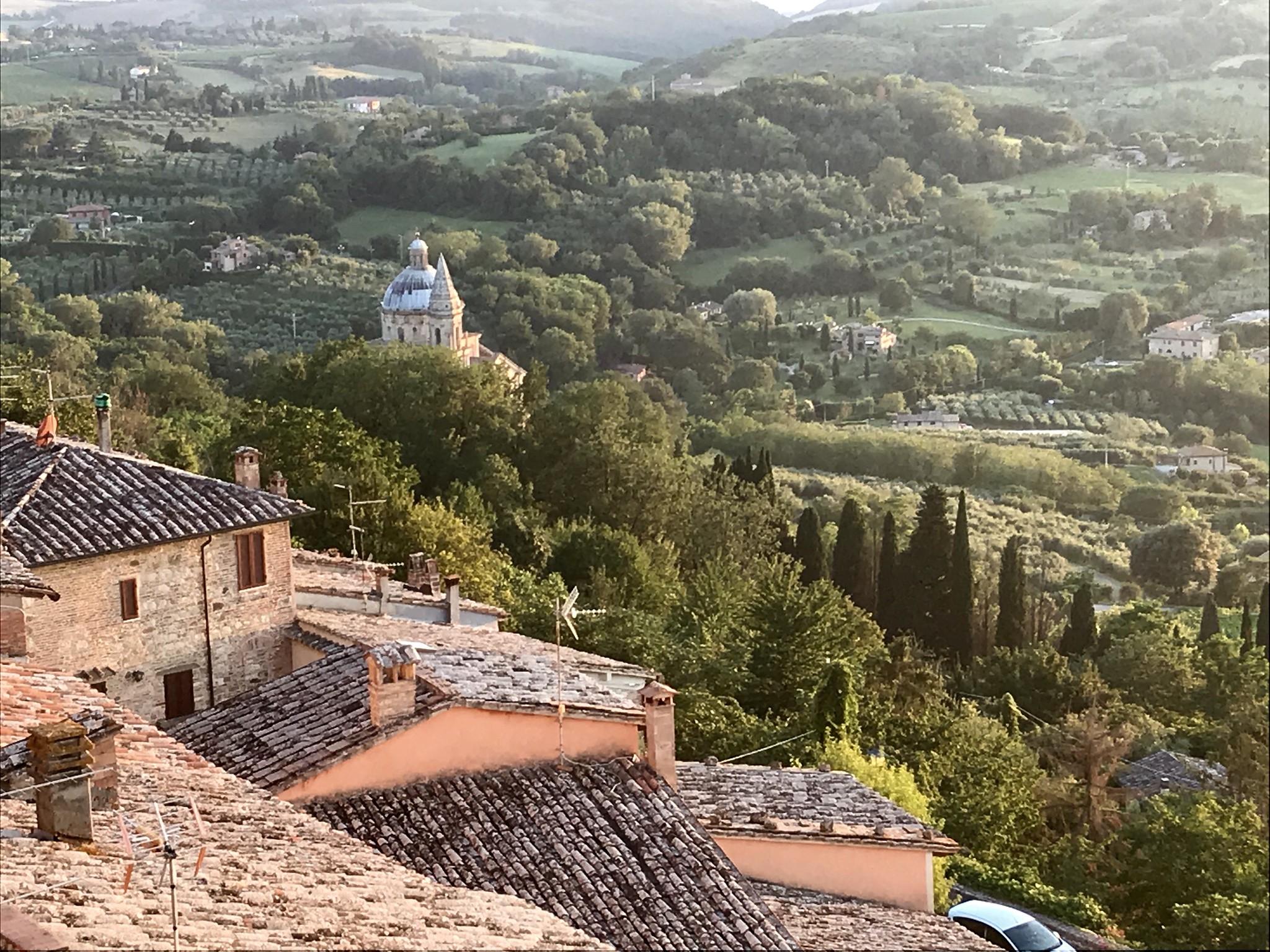
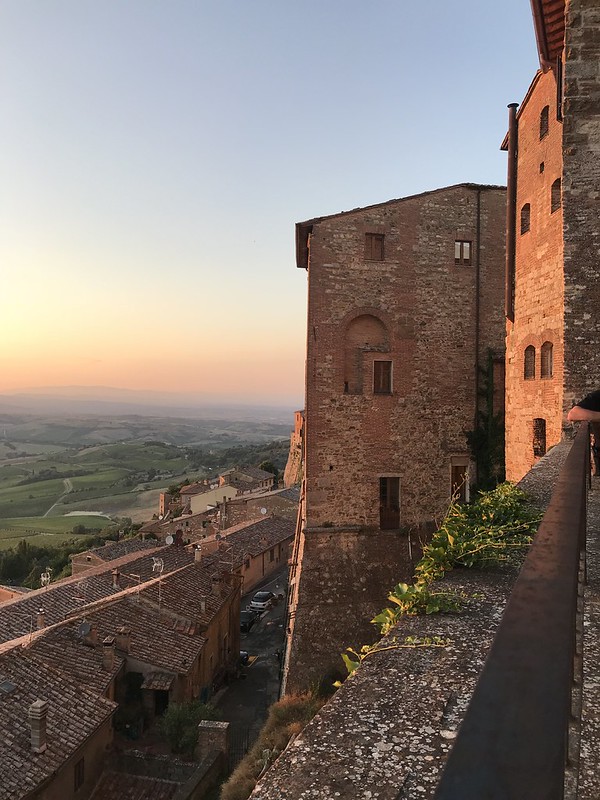
But Tuscany is not Florence. The region spans thousands of square kilometers of countryside, hill towns, wine estates, and coastal areas that do not share the same summer conditions as the city. A private villa in the Val d’Orcia, a farmhouse estate in Montalcino, or a restored palazzo in a hilltop village twenty minutes from any tourist route: these are viable summer destinations for travelers who have planned well.
The real summer variable is not the heat. It is the availability of the experiences that make Tuscany extraordinary. Private villas and the best small hotels book out earliest for July and August. Thinking about summer in Tuscany means starting the planning conversation significantly earlier than most travelers expect.
Spring in Tuscany: What the Photos Capture and What They Don’t
Late April through June is genuinely magnificent in Tuscany. The poppies that carpet the fields in May, the soft green of the cypress-lined roads, the wisteria on the farmhouses: this is the landscape that defines the image most people carry of the region.
What the photographs do not show is that this is also the period when many of the most famous sites are at their busiest. The hilltop towns of Montepulciano, Pienza, and Montalcino draw significant visitors from May onward. San Gimignano, Siena, and the wine roads through Chianti are well-trafficked by late spring.
For the luxury traveler, spring works best when the itinerary is designed around the less-visited areas of the region rather than the famous ones. The Maremma, Tuscany’s wild coastal southwest, is extraordinary in late spring and almost entirely absent from the standard visitor circuit. The Crete Senesi, the rolling clay hills southeast of Siena, are at their most surreal in April and May and see a fraction of the traffic that the Chianti roads attract.
Spring in Tuscany rewards travelers who are willing to let a knowledgeable advisor push them slightly off the well-worn path.
Harvest Season: The Tuscany Most Travelers Miss
September and October are, for the traveler who cares about food and wine at a serious level, the most compelling months to be in Tuscany.
The grape harvest runs through September in most of the region’s major wine appellations, including Chianti Classico, Brunello di Montalcino, and Vino Nobile di Montepulciano. The olive harvest follows in October and November, with groves producing the season’s first pressing, olio nuovo, which is one of the more remarkable things available to eat anywhere.
Private tastings and vineyard visits during harvest feel entirely different from the same experiences in other seasons. The estates are in active production. The conversations are different. Access to the winemaking process, to barrel tastings of wines that will not be released for years, and to meals prepared from the same seasonal ingredients being harvested that week: these experiences are available during harvest in a way that cannot be replicated in April.
The best Tuscany itineraries I design for September and October are built significantly around the table and the cellar, with the landscapes and hill towns providing the frame rather than the focus.
Winter in Tuscany: The Case Worth Making
December through February in Tuscany is the season most travelers rule out immediately, which is precisely what makes it interesting.
The crowds are gone. The light in winter is low and golden and extraordinary for anyone who appreciates photography or simply paying attention to how a landscape looks. The hilltop towns are quiet in a way that allows you to hear them. The restaurants are cooking for locals rather than visitors, which changes what appears on the menu and how it is prepared.
Truffle season extends through much of winter, and the white truffle market in San Miniato in November is one of the more remarkable food experiences available in the region. The thermal spas at Terme di Saturnia and Bagno Vignoni, which in summer require advance booking and shared pools, are available in winter with a level of ease and privacy that the high season cannot offer.
Winter Tuscany is not for every traveler. But for the couple or small group who values quiet, culinary depth, and the experience of a place when it is being itself rather than hosting the world, it is worth a serious look.
What Timing Cannot Fix
The most important thing to understand about visiting Tuscany is that the right timing is necessary but not sufficient for an extraordinary trip.
The experiences that define a great Tuscany itinerary, the private winery dinner arranged through a relationship that does not exist on any booking platform, the specific villa whose kitchen garden produces ingredients for the meals you eat there, the local guide who has been working the same stretch of hill country for thirty years and knows every proprietor personally, these are not available on any timeline without the planning behind them.
Timing matters. Planning matters more.
How to Start Planning Your Tuscany Trip
If Tuscany is on your list, the most useful first step is a conversation about what you actually want from it. The region accommodates very different trips very well, and the timing, pace, and focus of the itinerary should follow from that conversation rather than precede it.
At Travel by Ronda, I design Tuscany itineraries with the same attention I bring to any bespoke travel: starting from who the traveler is rather than what the destination is typically known for.
If you want to talk through what the right Tuscany trip would look like for you, the link below is where to start.