

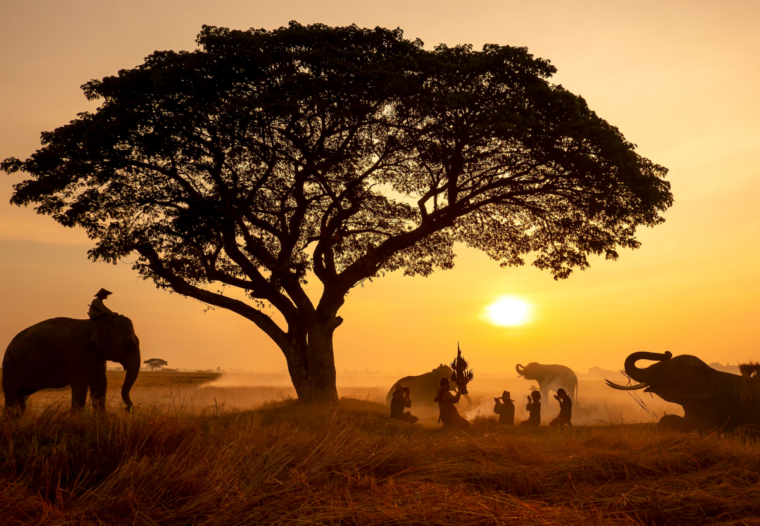
Of all the trips I plan, safari is the one where the difference between working with an experienced advisor and going without shows up most directly in the experience itself.
This is not because safari is inaccessible or difficult to navigate independently. It is because the variables that determine the quality of the experience are less visible from the outside than in almost any other category of travel.
The destination, the camp, the season, the specific location of the camp within a given ecosystem, and the type of access it has all shape what a client actually encounters in the field. The gap between a well-planned safari and a loosely planned one is wide.
This guide covers what matters and why.
The Destination Question Is More Complex Than It Appears
Most people think of an “African safari” as a single category of experience. In practice, East and Southern Africa offer a collection of distinct destinations with meaningfully different wildlife populations, landscapes, travel logistics, and overall character.
Kenya
The Masai Mara is home to one of the most dramatic wildlife events in the natural world: the annual wildebeest migration, when more than a million animals cross between Tanzania’s Serengeti and Kenya’s Mara River.
The timing of the river crossings shifts from year to year and cannot be guaranteed, but the window from July through October offers the highest probability.
Kenya also offers private conservancies bordering the Mara, providing access and experiences that the national reserve does not permit.
Tanzania
The Serengeti is the southern half of the same migration ecosystem. It offers the calving-season spectacle in January and February, when hundreds of thousands of wildebeest give birth on the southern plains.
Tanzania is also home to Ngorongoro Crater, a collapsed volcanic caldera that functions as a self-contained ecosystem and offers some of the most concentrated wildlife viewing available anywhere.
Rwanda and Uganda
For travelers whose primary goal is mountain gorilla trekking, Rwanda and Uganda are the only options.
Gorilla permits are issued in limited numbers, require advance coordination, and provide one of the most singular wildlife encounters available to any traveler.
The experience bears no resemblance to a conventional game-drive safari and is best planned as a dedicated trip.
Botswana
Botswana prioritizes low-volume, high-quality safari experiences above all else.
The country deliberately limits the number of visitors in its wildlife areas, which means smaller camps, fewer vehicles in the field, and sightings that do not involve a crowd.
The Okavango Delta floods seasonally from Angolan rains, creating a temporary inland sea of extraordinary biological richness. It is one of the most unusual safari environments in the world.
Why Timing Shapes the Entire Experience
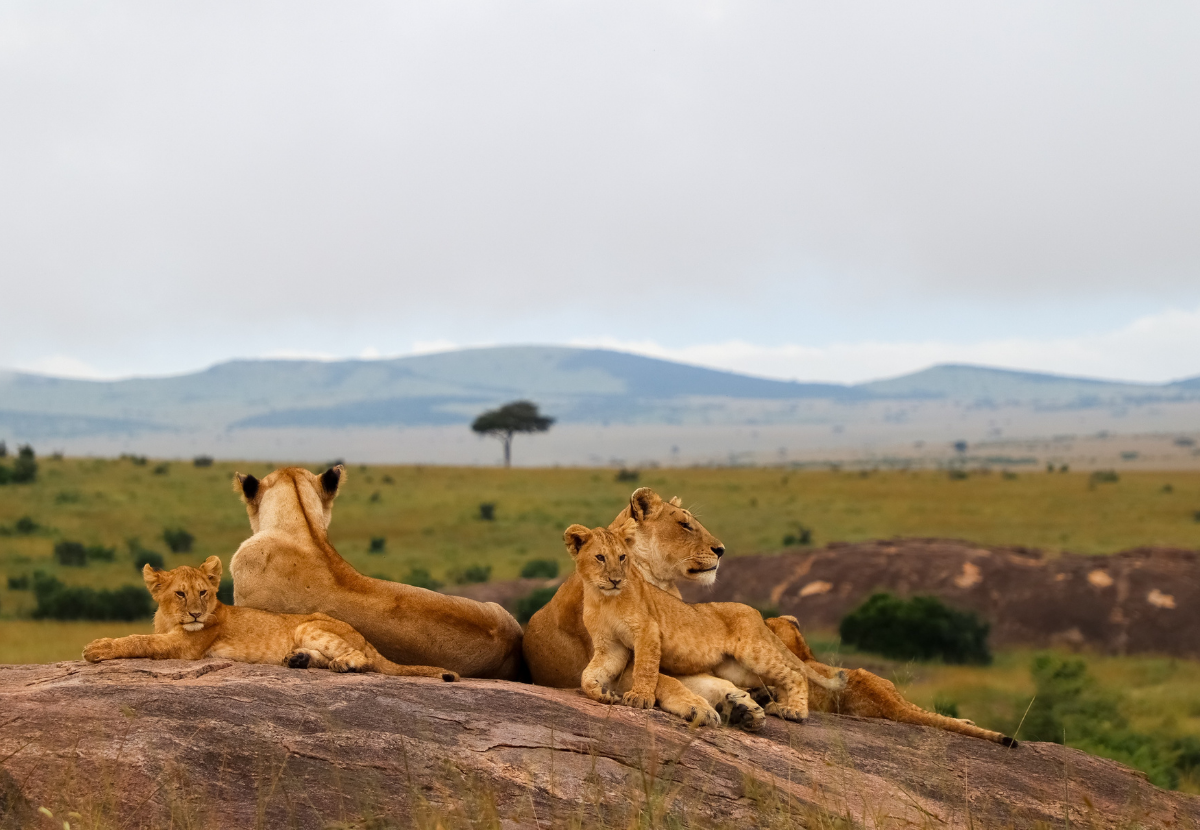
Safari timing decisions are more consequential than most travelers realize when they begin planning.
The Dry Season
The dry season runs roughly from June through October across East Africa.
During this period, wildlife tends to gather around water sources, and thinner vegetation makes animals easier to see. However, the dry season also brings peak visitor numbers to major parks.
The Green Season
The green season generally runs from November through April.
It brings dramatic landscapes, newborn wildlife, and significantly fewer guests in many camps. Some of the best wildlife photography happens during the green season, when the light is different and the animals are often more active.
Migration Timing
The migration timeline in the Masai Mara and Serengeti follows a predictable annual pattern, but specific river-crossing events are driven by rainfall and animal behavior—not a fixed calendar.
A well-informed advisor will explain the probabilities associated with a particular travel window rather than make promises the ecosystem cannot keep.
Gorilla Trekking Permits
Gorilla trekking permits in Rwanda must be secured months in advance. During peak travel periods, they can sell out completely.
Permit availability is not a last-minute logistical detail. It needs to be addressed at the beginning of the planning process.
Not All Safari Camps Are the Same
The range of accommodations available within safari destinations spans a wider quality spectrum than in almost any other travel category.
Entry-Level Tented Camps
At the entry end, tented camps with shared facilities in high-traffic national park zones offer proximity to wildlife corridors at more accessible price points.
These camps are legitimate, and the game viewing can be excellent. However, the experience is shared with a significant number of other visitors.
Private Luxury Camps
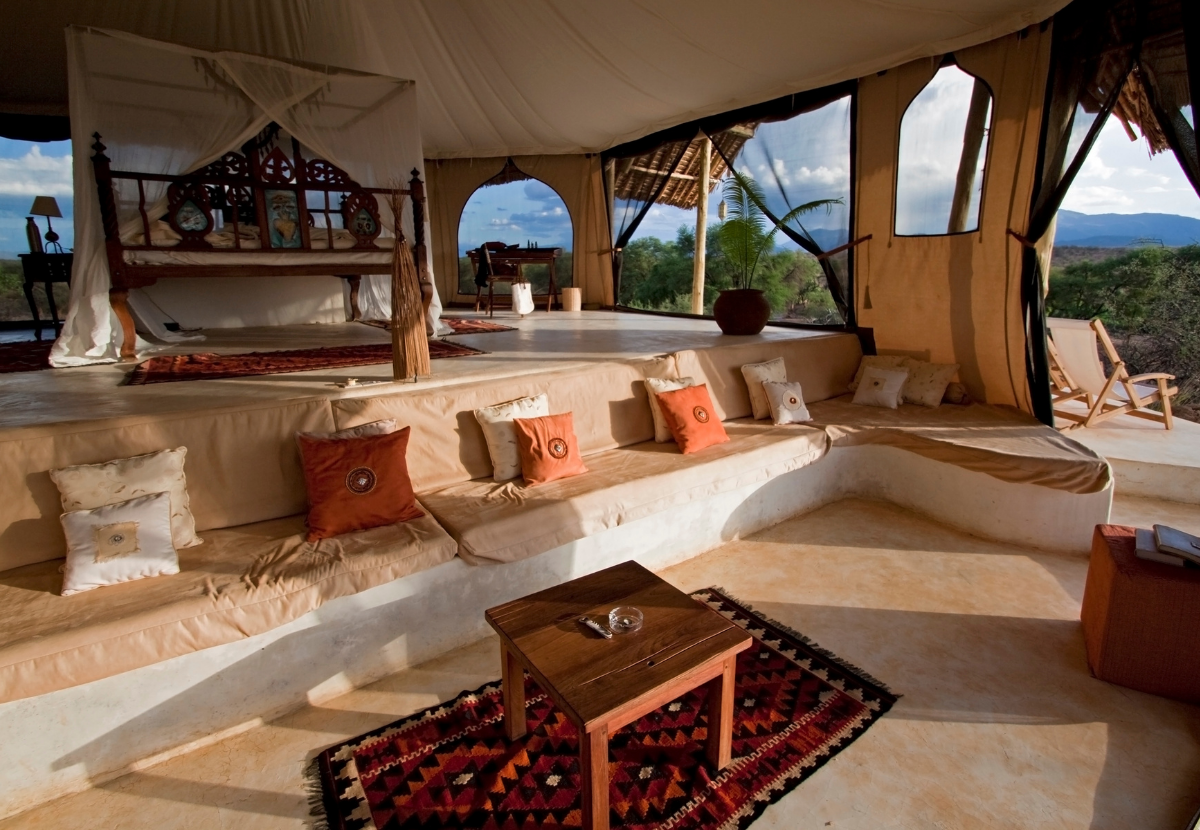
At the other end of the spectrum, private camps with six to twelve guest rooms are often located on exclusive conservancies or concessions outside national park boundaries.
These properties typically include:
- All meals
- Game drives
- Alcoholic beverages
- Laundry service
More importantly, they provide access to the most significant advantages a private safari can offer.
What Private Conservancy Access Actually Means
The rules governing national parks in most African countries prohibit off-road driving, night drives, and walking safaris.
These restrictions exist for legitimate conservation reasons and apply universally within park boundaries.
Private conservancies operate outside national park rules.
Off-Road Wildlife Viewing
On a private conservancy, guides can follow an animal off the established track as long as they determine it is safe to do so.
This creates opportunities for longer, closer, and more natural wildlife encounters.
Night Drives
Drives can continue after sunset, when many predators and nocturnal animals are most active.
Walking Safaris
Walking safaris are conducted on foot with an armed guide, typically in the early morning.
They offer a completely different understanding of the bush, focusing not only on large animals but also on tracks, plants, insects, sounds, and smaller details that are easy to miss from a vehicle.
More Private Sightings
The nature of the sightings is also different.
Instead of a rotation of vehicles cycling through a ten-minute viewing slot, guests may be the only people at a leopard sighting and can remain there as long as the animal stays.
Private conservancy access is not a luxury upgrade in the conventional sense. It is a different category of experience, and accessing it requires knowing which properties offer it.
The Case for Working With a Luxury Safari Travel Planner
Safari planning involves more moving parts than almost any other category of travel.
These may include:
- International flights
- Internal charter flights between camps
- Country-specific visa requirements
- Health and vaccination documentation
- Gorilla trekking permits
- Seasonal wildlife patterns
- Camp selection
- Guide selection
- Private conservancy access
The difference a luxury travel advisor makes is not primarily about convenience, although the logistics are genuinely complex.
It is about access.
An experienced advisor may provide access to:
- Camps that reserve inventory for advisor partners
- Gorilla permits that require advance relationships and coordination
- Guides who are selected rather than randomly assigned
- On-the-ground support when charter schedules change
- Alternative arrangements when camps or itineraries need to be adjusted
At Travel by Ronda, safari planning begins with a conversation about what a client wants to experience and when they are able to travel.
From that starting point, the right destinations, camps, and timing come together in a way that is specific to each traveler rather than assembled from a standard package.
If a safari has been on your list and you want to understand what planning it well actually involves, scheduling a free call is the place to start.